










Epicondylitis in padel: causes, prevention, and how to choose the right paddle.
Lateral epicondylitis, also known as tennis elbow, is one of the most common problems among paddle tennis players. It involves inflammation of the tendons that connect the forearm muscles to the elbow, primarily caused by repetitive movements and overload.
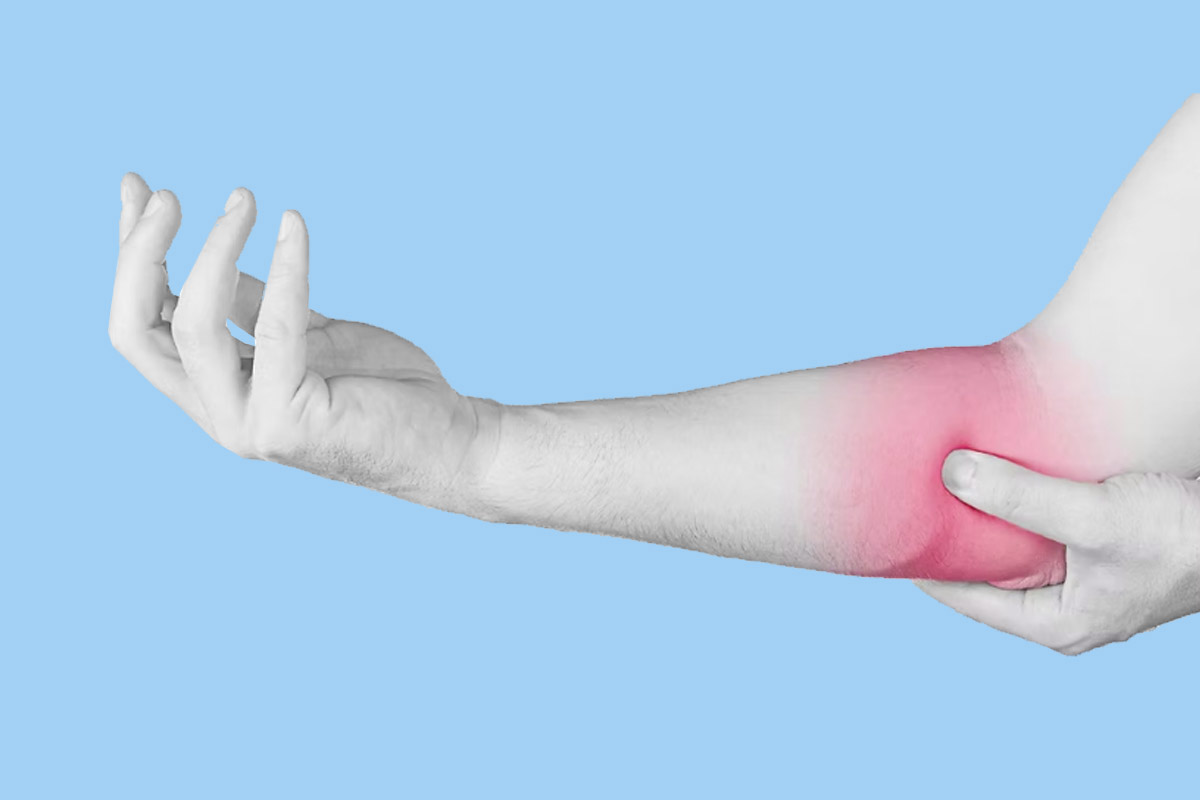
In padel, these microtraumas accumulate rapidly: off-center hits, racket vibrations, and incorrect technique put continuous stress on the joint. It's no coincidence that it's one of the most common injuries among amateur players.
The main causes of epicondylitis in padel
The main causes of epicondylitis in padel
Understanding the source of the problem is the first step to avoiding it. The most common causes are:
• Muscle overload due to frequent matches without recovery
• Repetitive movements of the wrist and forearm during strikes
• Incorrect technique, especially in beginners
• Blade vibrations not absorbed properly
• Unsuitable equipment, such as rackets that are too stiff or heavy
In padel, in fact, the impact with the ball generates forces that are transmitted up to the elbow, increasing the stress on the tendons.
The role of the shovel: why it is crucial
One of the most underestimated aspects is the choice of racket.
The wrong shovel can dramatically worsen the problem, while the right one can significantly reduce the risk.
The ideal characteristics to avoid epicondylitis:
• Light weight → reduces stress on the arm
• Low or medium balance → more control and less load
• Soft materials → better vibration absorption
• Soft EVA rubber or similar → more comfortable impact
Lighter rackets with softer materials help absorb vibrations and protect the elbow during play.
How to Prevent Lateral Epicondylitis: Practical Strategies
Prevention is always better than months of waiting. Here are the most effective strategies:
- Improve your technique
Correct movement dramatically reduces the strain on the elbow. Even a few lessons with an instructor can make a difference.
- Choose the right equipment
A paddle suited to your level and playing style is essential to avoid excessive vibrations.
- Warm-up and stretching
Spend at least 10-15 minutes before and after the game to prepare your muscles and tendons.
- Muscle strengthening
Training your forearms and shoulders helps distribute loads better and prevent inflammation.
- Listen to your body
Pain is a signal: ignoring it can turn a nuisance into a chronic problem.
Remedies and solutions if the pain is already present
If you notice the first symptoms, intervene immediately:
• Reduce or suspend activity to allow tendons to recover.
• Apply ice to reduce inflammation
• Use braces or supports to relieve tension on the elbow.
• Targeted physiotherapy to recover functionality and prevent relapses
In more advanced cases, it is essential to consult a specialist.
Conclusion: Playing for a long time without pain is possible
Epicondylitis is not an inevitable fate for those who play padel.
With the right combination of:
• correct technique
• adequate equipment
• physical preparation
You can continue to improve your game without compromising the health of your elbow.
👉 The real difference is in the details: often, changing the blade or correcting a technical gesture is enough to completely eliminate the problem.