










Why Clubs Prefer Padel to Tennis
In recent years, padel has seen explosive growth in sports facilities around the world, often becoming the preferred option for clubs over traditional tennis. But what's behind this choice? Often, it's not just a matter of fashion, but rather of concrete advantages for sports center managers.
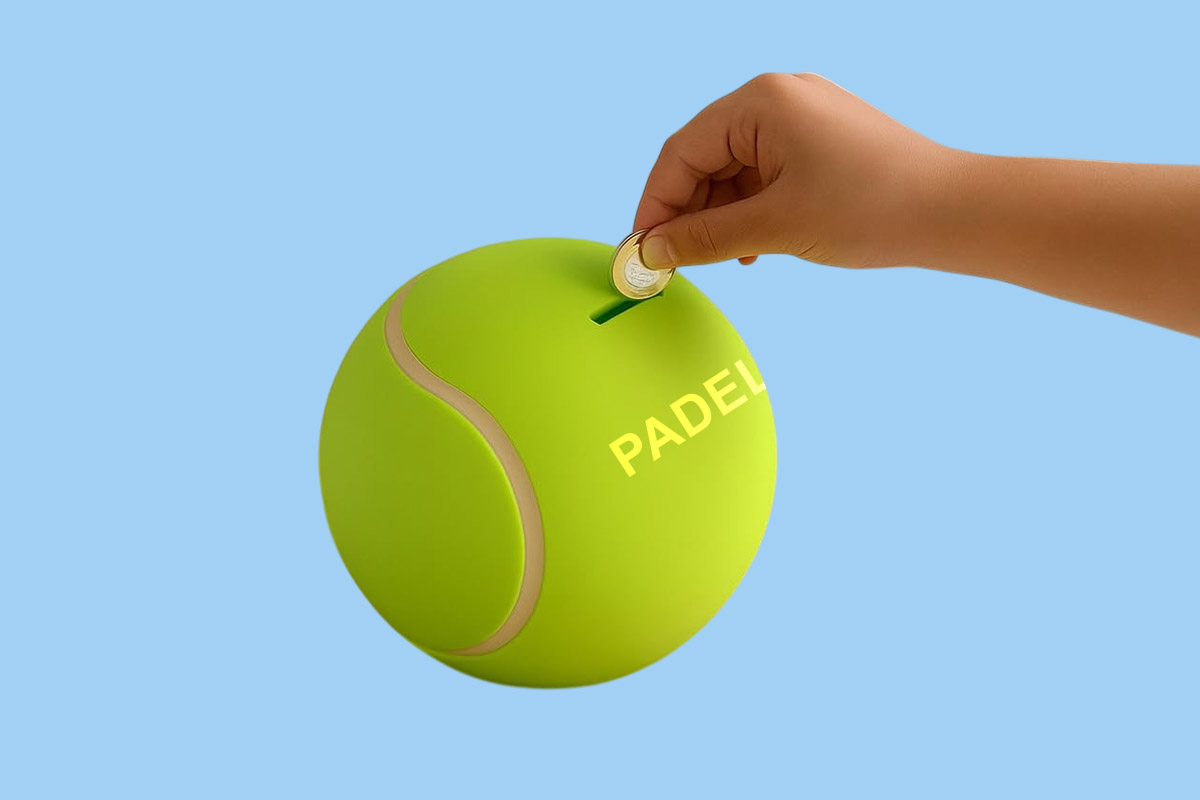
✅ 1. More players = more bookings, more revenue
One of the main reasons why many clubs are focusing on padel is economic: padel is almost always played in doubles, that is, with 4 people on the court at the same time, while in tennis the game is more frequently played in singles (2 people).
This means that:
- each booking involves multiple users
- more people pay to use the same space
- increase the sale of additional services (bar, merchandising, lessons)
A padel court therefore functions as a revenue multiplier compared to a tennis court of the same size.
🏟️ 2. Padel courts take up less space and cost less
Another key reason is the size and cost of construction/operation:
- a padel court takes up about a third of the space of a tennis court
- building a padel court costs significantly less than a traditional tennis court
- in an area where there was previously only one tennis court, up to 2-3 padel courts can enter
This means that a club can better utilize its land, quickly increase the available playing spaces and therefore support more simultaneous bookings.
🤝 3. An inclusive and social structure
Padel is not only economically advantageous, but also socially:
- It's easy to learn right away, even for those with no experience
- it is always played in doubles, encouraging team play
- It is less technical and physically demanding than tennis, making it accessible to a wider audience (families, groups of friends, beginners)
These characteristics make padel particularly suitable for creating an active and cohesive community within the club, with players who return regularly, meet and socialize even off the court.
📊 4. Higher utilization and turnover rates
Compared to tennis, padel courts tend to be booked more frequently:
- smaller fields
- faster turnover
- increased demand for group play
This leads to a higher court utilization rate during all time slots, without the large peaks and dead moments typical of traditional tennis facilities.
Simply put: where once a tennis court might remain empty for hours, padel courts are rarely empty.
🧠 5. Padel attracts new audiences
Finally, padel helps clubs expand their user base:
- It attracts those who have never played tennis
- involves families and social groups
- It can become an “entry point” for occasional athletes who then become regular members of the club
Many clubs report seeing an increase in memberships following the introduction of padel courts, sometimes even doubling the number of active members in just a few seasons.
📌 Conclusion
Clubs' preference for padel over tennis isn't an isolated or fleeting phenomenon: it's the result of a mix of economic, social, and practical factors. From a management perspective, padel allows for:
- optimize space
- increase revenue
- attract new types of players
- create a social and inclusive environment
For those who manage a sports facility, therefore, padel is not just a fad... it is a winning strategy for the future.