








Which muscles should you train to play padel?
Padel isn't just fun: it's a dynamic, explosive, and complete sport that requires strength, agility, quick changes of direction, and total-body stability to play better and reduce the risk of injury.
But Which muscle groups really matter if you want to improve your game?Let's look at them in detail.
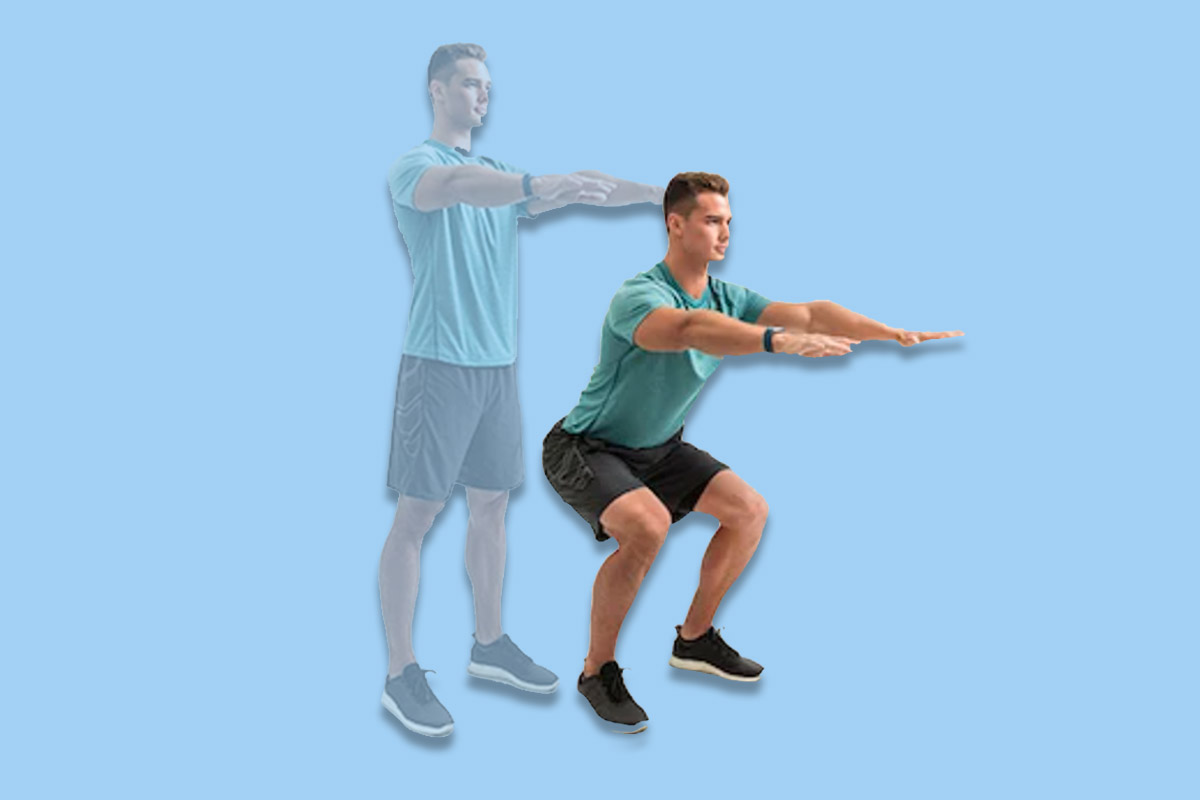
1. Legs and glutes: the basis of power and rapid movements
The legs are perhaps the most stressed part of a padel game. Every lateral shift, sudden sprint, change of direction, or movement toward the net depends on:
- Quadriceps: support braking, sprinting and knee control.
- Hamstrings (hamstrings): Essential for sprinting and stability in dynamic movements.
- Glutes (maximum, medius and minimus): enhance the push during acceleration and help with lateral movements to reach the ball.
- Calves (gastrocnemius and soleus): active in jumps, changes of pace and continuous acceleration.
👉 Why they're important: Without a solid base in your lower body, you won't be able to react quickly or maintain good balance during intense exchanges.
Core (abdomen and lower back): the “engine” of your game
The core, or the set of abdominals (rectus, obliques, transverse) and lumbar muscles, is the true control center of your body when you play padel:
- It helps stabilize the torso during strikes and rapid changes of direction.
- It supports the generation of force in rotational shots, such as smashes and bandejas.
- Improves balance and reduces the risk of back pain.
👉 Workout tips: Planks, crunches, medicine ball twists, and anti-rotation exercises help develop a strong, functional core.
Upper body: shoulders, arms and back
The upper body comes into play especially in power shots and racket control:
- Shoulders (deltoids and rotator cuff): Essential for overheads, smashes, and bandejas.
- Biceps and triceps: These muscles manage the strength in your dominant arm and aid in explosive strikes.
- Forearms and wrists: maintain control of the racket, stability and precision in shots.
- Lats and trapezius: support torso rotation and stabilize the back during long strokes.
👉 Training your upper body isn't just about hitting with power: balanced muscles also prevent many injuries, especially to the shoulder and elbow.
Mobility and stability: the least overlooked key
Strong muscles are not enough if they are not mobile and coordinated:
- Flexibility in the hips, shoulders and ankles facilitates rapid movements.
- Training proprioception helps maintain balance when changing direction.
👉 With simple mobility exercises before and after training, you can prepare your body to better respond to the constant stresses of the game.
How to integrate training into your routine
To get the best results and improve your padel:
- Train 2-3 times a week with targeted exercises.
- Combine strength, core and mobility in every session.
- Also use agility and resistance exercises to improve your speed and endurance on the field.
📌 In short
Training your muscles to play padel doesn't mean just "lifting dumbbells" in general: it requires preparation that involves:
- Legs and buttocks → power and speed
- Core → stability and control
- Upper body → force in the blow
- Mobility and agility → fluidity in movements
👉 Targeted training not only improves your performance, but also helps you prevent injuries and play better, longer and with less fatigue.